Communal Property
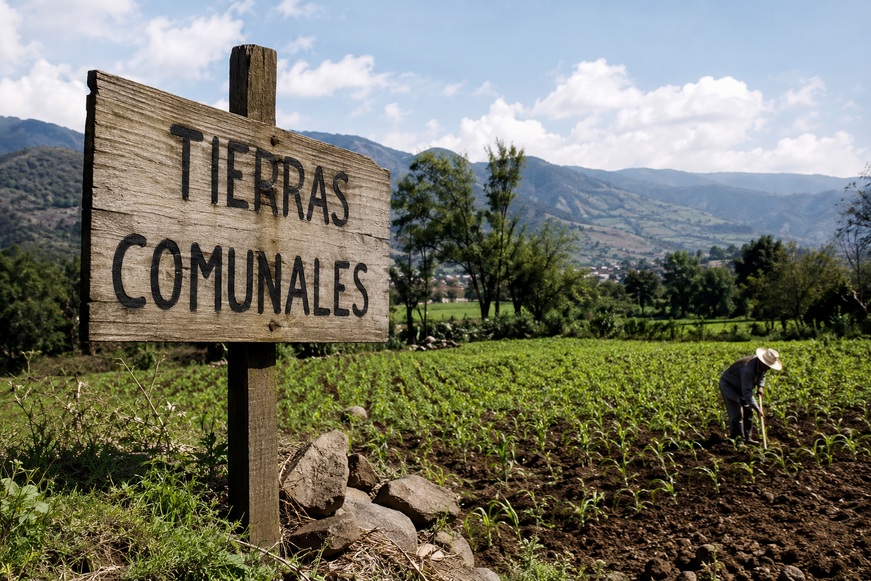
Communal lands are land areas or resources that collectively belong to a community, generally an indigenous or agrarian community, and whose use, administration, and development are carried out jointly. In Mexico, this form of ownership has significant historical, social, and legal importance, particularly in rural communities that have preserved traditional forms of territorial organization.
Although many people confuse communal lands with ejidos, there are important differences regarding ownership, administration, and legal recognition. Understanding how communal lands work is essential for comprehending part of Mexico's agrarian and territorial structure.
What are communal lands?
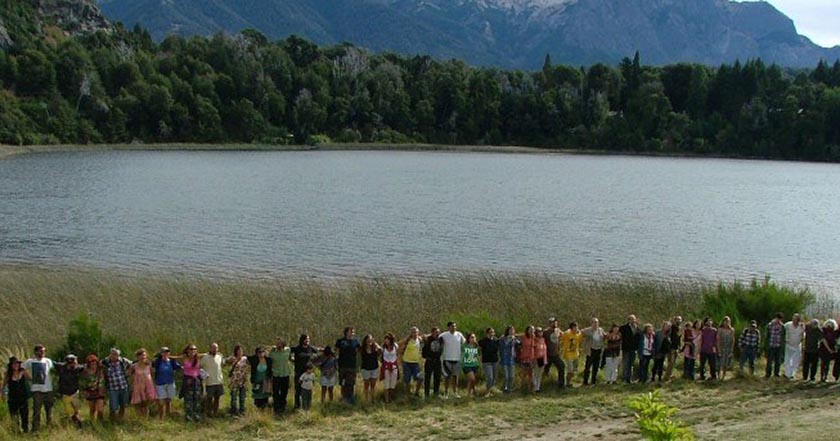
Communal lands are legally recognized collective properties that belong to a community. This means that no individual member owns a specific portion of the land. Instead, the entire community holds rights over the use and development of the territory.
They generally include:
- Agricultural land
- Forests
- Grazing areas
- Natural resources
- Conservation areas
- Areas used for traditional purposes
Communal ownership has historical roots dating back to pre-Hispanic times and was later recognized within Mexico's legal framework.
Main characteristics of communal lands
Communal lands have specific characteristics that distinguish them from other types of property.
Collective ownership
The land belongs to the entire community rather than to individual people. Community members, known as comuneros, have usage rights but are not the exclusive owners of private plots.
Community administration
Decisions are usually made through communal assemblies attended by the officially recognized members of the community.
Legal protection
Mexican agrarian legislation recognizes and protects communal lands to prevent dispossession or unlawful privatization.
Cultural and ancestral relationship
In many indigenous communities, communal lands form part of their identity, traditions, and social organization.
Shared use
Natural and territorial resources are used under collective agreements established by the community.
Difference between communal lands and ejidos
Although both are forms of social property in Mexico, there are important differences between them.
| Aspect | Communal lands | Ejidos |
|---|---|---|
| Origin | Ancestral and indigenous tradition | Agrarian reform |
| Ownership | Collective community ownership | Social ownership with assigned plots |
| Members | Comuneros | Ejidatarios |
| Division of land | Generally not divided into individual plots | Land may be divided into parcels |
| Administration | Communal assembly | Ejido assembly |
In practical terms, ejidos primarily emerged after the Mexican Revolution, while communal lands have a much older origin.
How do communal lands work?
The way they operate depends on each community, but they normally follow an internal organizational structure recognized under Mexican agrarian law.
Communal assembly
It is the highest authority within the community and makes decisions related to:
- Land use
- Use and development of resources
- Environmental conservation
- Conflict resolution
- Admission of new community members
Community representatives
The community usually elects authorities responsible for implementing agreements and legally representing its members.
These authorities may include:
- Communal Property Commission
- Oversight Council
- Agrarian representatives
Internal regulations
Many communities establish their own rules regarding:
- Use of land plots
- Forestry activities
- Agricultural activities
- Environmental protection
- Inheritance of communal rights
Importance of communal lands in Mexico
Communal lands perform highly important social, economic, and environmental functions.
Environmental conservation
A significant portion of Mexico's forests and natural areas is controlled by agrarian and communal communities.
Cultural protection
They help preserve indigenous customs, traditions, and forms of organization.
Local economy
Many communities earn income through:
- Agriculture
- Forestry activities
- Community-based tourism
- Livestock farming
- Handicraft production
Territorial protection
Communal ownership strengthens the protection of territories against land disputes and external interests.
Rights of community members
Comuneros have various legally recognized rights.
The main rights include:
- Use and enjoyment of communal property
- Participation in assemblies
- The right to vote on community decisions
- Use of authorized resources
- Legal protection of their agrarian rights
However, they must also comply with the obligations established by the community and agrarian legislation.
Common problems related to communal lands
Despite their importance, communal lands face several challenges.
Territorial disputes
Many communities face disputes over land boundaries or unlawful occupation.
Land regularization problems
In some cases, communities experience difficulties updating agrarian records and legal documentation.
Illegal exploitation of resources
Illegal logging and the unauthorized use of natural resources are frequent threats.
Real estate pressure
In tourist or urbanized areas, some communal lands face attempts at privatization or irregular sale.
Can communal lands be sold?
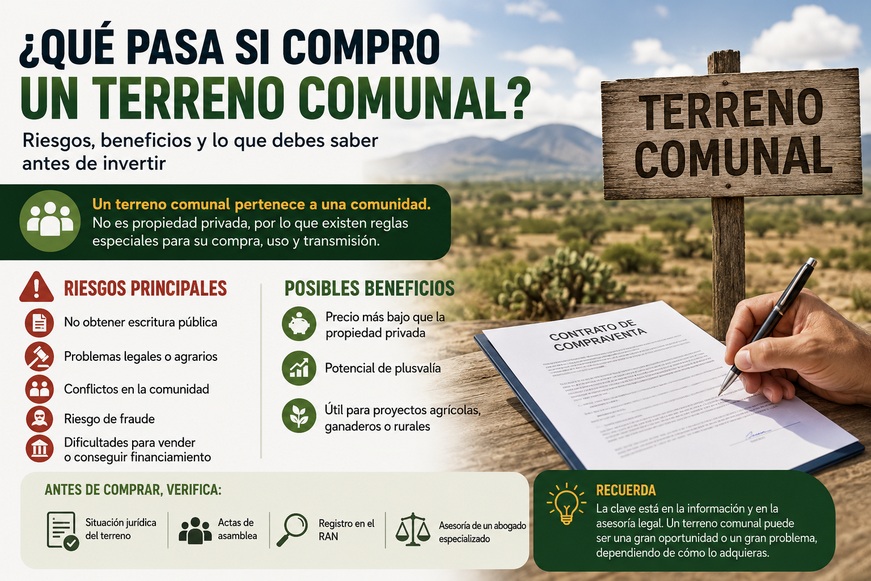
In general terms, communal lands cannot be freely sold in the same way as traditional private property.
Mexican legislation establishes protective mechanisms to prevent the fragmentation or improper commercialization of these lands. Any process involving the transfer of rights usually requires community authorization and compliance with specific legal requirements.
Communal lands and indigenous communities
Communal lands are closely connected to Mexico's indigenous peoples.
For many communities, the land represents not only an economic resource but also:
- Cultural identity
- Spirituality
- Ancestral history
- Community organization
- Territorial continuity
For this reason, communal lands are considered essential for preserving numerous indigenous cultures.
[xyz-ips snippet="comunales"]
Legal framework for communal lands in Mexico
The main regulations are found in:
- Political Constitution of the United Mexican States
- Agrarian Law
- Presidential agrarian resolutions
- Internal community regulations
Additionally, international treaties concerning indigenous and territorial rights strengthen the protection of these communities.
Advantages of communal lands
The most important benefits include:
- Collective protection of the territory
- Conservation of natural resources
- Strengthening of the community
- Cultural preservation
- Sustainable land use
- Local democratic organization
Disadvantages or challenges of communal lands
There are also significant challenges:
- Complex administrative processes
- Internal conflicts
- Limitations on private investment
- Problems involving the succession of rights
- External pressure on the territory
Frequently asked questions about communal lands
What is the difference between a comunero and an ejidatario?
A comunero belongs to a community with traditional communal ownership, while an ejidatario is a member of an ejido created under Mexico's agrarian reform system. Both have agrarian rights, but they operate under different structures.
Can communal rights be inherited?
Yes, communal rights may be transferred in accordance with the community's internal rules and current agrarian legislation. However, they do not work in exactly the same way as the inheritance of private property.
Who administers communal lands?
Administration is primarily the responsibility of the communal assembly and representatives elected by the community, such as the Communal Property Commission and the Oversight Council.
Are communal lands subject to taxes?
It depends on the type of activity and resource use involved. Certain productive activities may generate specific tax obligations, although communal land is governed by a special legal framework.
Can homes be built on communal lands?
Yes, in certain cases and with authorization from the community. The rules may vary depending on the internal regulations and applicable agrarian legislation.
Can foreigners purchase communal lands?
Not directly as traditional private property. There are significant legal restrictions on the acquisition of communal lands by private individuals or foreign nationals.